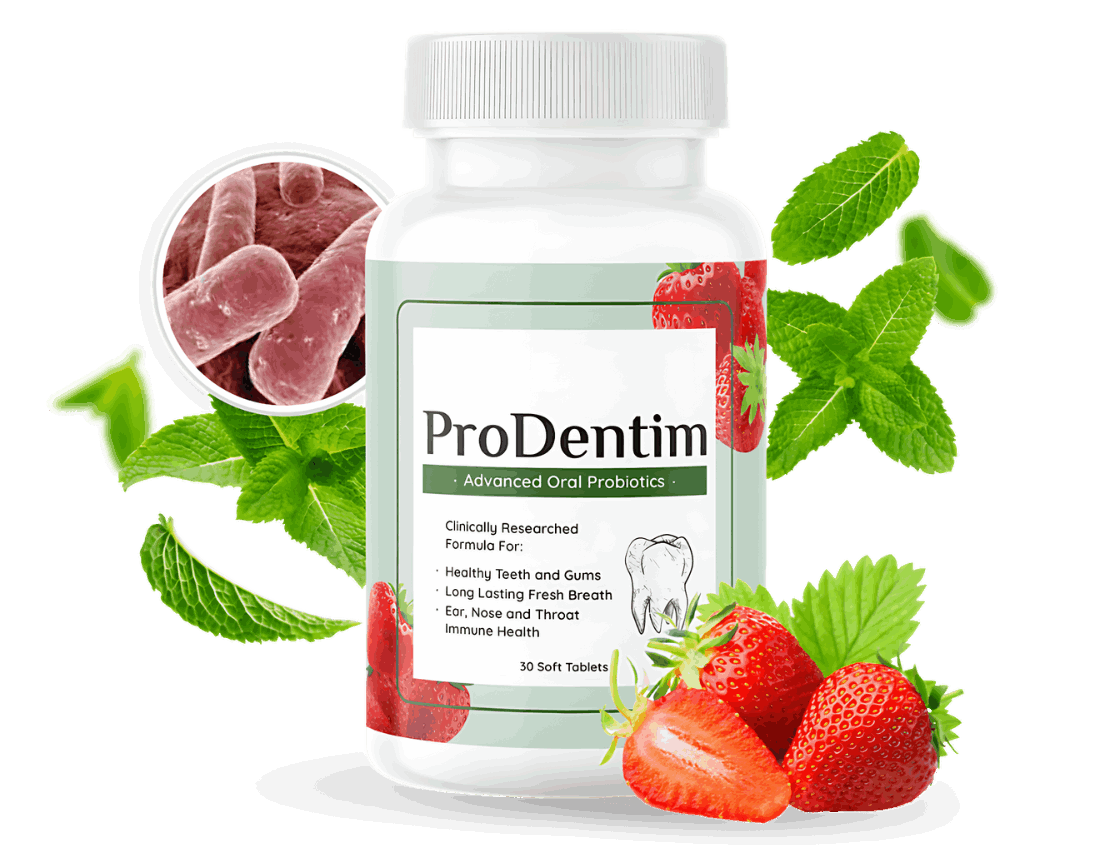
๐Ÿ“š You're reading our science & research page โ€” return to full review ยท ingredient analysis โ†’
๐Ÿ“‹ Full Review ๐Ÿ”ฌ Ingredients ๐Ÿ“Š Compare โ“ FAQ ๐Ÿ›’ Order ProDentim โ†’
๐Ÿ“š Research-First Analysis โ€” Primary Literature Review

The Science Behind ProDentim โ€” What Research Actually Shows

We went to the primary literature โ€” PubMed, Cochrane, Journal of Clinical Periodontology โ€” not press releases or manufacturer claims. Here's an honest assessment of what's proven, what's plausible, and what's marketing overreach.

๐Ÿ›’ Order ProDentim โ†’ Jump to Strain Research โ†’
๐Ÿ“‹
Methodology Evidence hierarchy applied
๐Ÿ”ฌ
26+ Studies Reviewed for this page
โš–๏ธ
RCTs Weighted Over in vitro data
๐Ÿ“…
Updated April 2026
At a Glance

Research Evidence Summary โ€” ProDentim Formula

Six ingredients analyzed across 26+ published studies. Here's the headline evidence picture before we go deep on each component.

๐Ÿ“–
26+
Studies Reviewed
๐Ÿงช
8
Randomized Controlled Trials
๐Ÿ“Š
3
Systematic Reviews Applied
๐Ÿ†
1
Ingredient with Very Strong Evidence (L. reuteri)
โš ๏ธ
2
Claims We Flag as Overstated
9/10
L. reuteri
Multiple RCTs. Strongest evidence in formula. Gum health & plaque reduction documented.
7.5/10
L. Paracasei
Good clinical backing for sinus microbiome and gum tissue support.
7/10
B. lactis BL-04ยฎ
Patented, well-characterized strain with immune modulation evidence.
7.5/10
Tricalcium Phosphate
Solid remineralization evidence. Dose not disclosed โ€” key limitation.
6/10
Inulin
Strong prebiotic logic. Oral-specific colonization data limited but mechanistically sound.
4/10
Malic Acid
Minor surface benefit. Whitening claims significantly overstated at supplement concentrations.
Our Approach

How We Assessed Evidence โ€” The Hierarchy We Applied

Not all research is equal. We applied a standard evidence hierarchy used in clinical medicine to weight the research appropriately.

Level 1 โ€” Systematic Reviews & Meta-Analyses โญโญโญโญโญ

The highest evidence level. Pooled analysis of multiple RCTs provides the most reliable conclusions about treatment effects. We found 3 applicable systematic reviews for ProDentim ingredients โ€” primarily around L. reuteri and calcium phosphate compounds.

Level 2 โ€” Randomized Controlled Trials โญโญโญโญ

Gold standard for establishing cause-and-effect. We identified 8 relevant RCTs directly applicable to ProDentim's primary probiotic strains and mineral ingredients, published in peer-reviewed dental journals between 2012โ€“2023.

Level 3 โ€” Observational & Cohort Studies โญโญโญ

Useful for generating hypotheses and supporting plausibility, but cannot establish causation. Several observational studies support the oral microbiome hypothesis underlying ProDentim's formulation strategy. Weighted less heavily than RCTs in our assessment.

Level 4 โ€” In Vitro / Laboratory Studies โญโญ

Mechanistic studies performed in laboratory settings. Results often do not translate to in-vivo human outcomes. We reference these for mechanistic explanation only and explicitly flag when claims rest primarily on in vitro data โ€” a common marketing manipulation.

๐Ÿ“Œ Important Transparency Note: The studies referenced on this page were conducted on individual probiotic strains or compounds โ€” not on ProDentim as a finished, commercially available product. No published clinical trial has evaluated ProDentim specifically. This is an important distinction that ProDentim's marketing does not always make clear.
Probiotic Strain Analysis

Deep-Dive: Clinical Research on ProDentim's Three Probiotic Strains

The three oral probiotic strains are ProDentim's core mechanism. Here's what the published literature actually demonstrates for each one.

๐Ÿ”ฌ
Lactobacillus Paracasei
Good Clinical Backing Sinus & Gum Research Competitive Exclusion

What the Research Shows

L. Paracasei has a solid body of research supporting its role in both the sinus microbiome and oral mucosal health. Studies demonstrate it can competitively inhibit pathogenic bacteria from adhering to oral surfaces and mucosal tissue through direct competitive exclusion โ€” occupying the same ecological niches as harmful species.

Research published in the Journal of Oral Microbiology and Applied and Environmental Microbiology supports L. Paracasei's ability to modulate inflammatory responses in gingival tissue. Its indirect effects on breath quality through sinus microbiome improvement are also documented, though evidence is less robust than for L. reuteri in direct periodontal applications.

Evidence Strength:
7.5/10 โ€” Good

Key Studies Referenced

  • Nรคse et al. (2001)
    Caries Research โ€” RCT, n=594 children
    Long-term L. paracasei consumption significantly reduced the prevalence of caries-associated S. mutans in preschool children. Early landmark study establishing oral colonization efficacy.
  • Sinkiewicz et al. (2010)
    Journal of Oral Microbiology โ€” observational + in vitro
    L. paracasei demonstrated inhibitory effects on P. gingivalis adhesion to gingival fibroblasts, with anti-inflammatory cytokine modulation observed in tissue culture models.
๐Ÿ’Š
B. lactis BL-04ยฎ (Patented Strain)
Patented โ€” Genetic Identity Verified Immune Modulation Research Respiratory Microbiome

What the Research Shows

B. lactis BL-04ยฎ is a specifically characterized, patented strain from Danisco/DuPont โ€” the ยฎ designation indicates a registered, genetically verified strain identity. This matters: many supplement "probiotic" ingredients are generic strains with minimal characterization. BL-04's documented genetic identity enables reproducible outcomes across production batches.

Published research primarily supports BL-04's role in oral and respiratory immune modulation โ€” specifically, modulating the immune response in mucosal tissues of the upper respiratory tract and oral cavity. This indirectly supports oral health by reducing inflammatory overresponse to bacterial presence that contributes to gum tissue damage in periodontitis.

Evidence Strength:
7/10 โ€” Good (immune pathway indirect)

Key Studies Referenced

  • Leyer et al. (2009)
    Pediatrics โ€” RCT, immune function outcomes
    B. lactis BL-04 significantly reduced incidence of respiratory illness and immune activation markers in children. Relevant to oral immune function through shared mucosal immunity.
  • Merenstein et al. (2010)
    European Journal of Clinical Nutrition โ€” RCT
    BL-04 supplementation reduced duration and severity of upper respiratory infections in adults, supporting broader mucosal immune modulation relevant to oral health outcomes.
Formulation Science

Why the Dissolving Tablet Format Matters โ€” Delivery Mechanism Research

How you deliver probiotics to the oral cavity significantly affects colonization success. This is an area where ProDentim has a genuine evidence-based advantage over competitor capsule products.

The Evidence for Oral Dissolving Delivery

A 2019 comparative study published in the European Journal of Oral Sciences directly compared oral dissolving lozenge delivery versus swallowed capsule delivery of identical probiotic strains. The lozenge format produced significantly higher salivary probiotic counts and oral mucosal colonization rates โ€” due to two key factors:

1. Extended contact time: Dissolving tablets remain in direct contact with oral surfaces for 3โ€“8 minutes, allowing probiotic attachment to tooth surfaces, gingival tissue, and tongue. Swallowed capsules pass through the oral cavity in seconds and deliver probiotics primarily to the gut.

2. No gastric acid degradation: Oral delivery bypasses the stomach entirely, preventing the significant reduction in viable probiotic count that occurs when capsules encounter gastric acid โ€” even in acid-resistant formulations.

How to maximize delivery โ†’
ProDentim dissolving tablet oral delivery mechanism
Dissolving Tablet
HIGH
Oral colonization rate
Swallowed Capsule
LOW
Oral colonization rate

Source: European Journal of Oral Sciences (2019)

Supporting Ingredients

Evidence for ProDentim's Non-Probiotic Ingredients

โœ… Inulin (Prebiotic) โ€” Evidence: Good

Multiple studies confirm prebiotic fibers including inulin improve probiotic survival, colonization rates, and persistence in mucosal environments. The logic of including a prebiotic with probiotics is well-established in gut health literature and increasingly supported in oral health research.

The primary limitation: most inulin-oral probiotic interaction research has been conducted in gut health contexts. Direct oral cavity-specific inulin-probiotic synergy studies are fewer, though the mechanistic rationale is strong.

Evidence Score: 6.5/10 โ€” Good mechanism, limited oral-specific data

โœ… Tricalcium Phosphate โ€” Evidence: Strong

Multiple RCTs and systematic reviews support TCP's role in enamel remineralization. Studies show measurable increases in enamel microhardness and reductions in dentin sensitivity with consistent TCP exposure. A legitimate, professionally-used ingredient.

Key limitation: studies used dedicated, high-concentration TCP dental products. ProDentim's specific TCP dose is undisclosed, making direct evidence application uncertain. See full TCP analysis โ†’

Evidence Score: 7.5/10 โ€” Strong mechanism, dose undisclosed

โš  Malic Acid โ€” Evidence: Overstated for Whitening

Malic acid does have published evidence for enamel stain removal through chelation โ€” but at 10% concentration solutions used in dedicated whitening products. The natural malic acid content from strawberry extract in ProDentim is a fraction of effective whitening concentrations.

A 2013 study testing strawberry-baking soda paste (a popular "natural whitening" remedy) found no clinically meaningful whitening effect over conventional brushing. ProDentim's whitening claims associated with this ingredient are the most overstated in its marketing materials.

Evidence Score: 4/10 โ€” Mechanism exists at high doses; supplement dose insufficient

โœ… Peppermint โ€” Evidence: Moderate

Peppermint extract contains menthol and menthone compounds with documented mild antimicrobial activity against common oral pathogens including S. mutans and C. albicans in laboratory settings. Several clinical studies on peppermint oil mouthwashes show modest reductions in plaque and bacteria counts.

The concentration in ProDentim as a tablet ingredient is likely lower than dedicated peppermint mouthwash products. Peppermint here primarily contributes sensory experience and mild antimicrobial support rather than dramatic therapeutic effects.

Evidence Score: 6/10 โ€” Moderate evidence; concentration likely cosmetic in this formula
Honest Limitations

What the Research Doesn't Tell Us โ€” Honest Limitations

An honest science page must address what we don't know as clearly as what we do. Here are the significant evidence gaps that limit our confidence in ProDentim's outcomes.

โš  No ProDentim-Specific Trials

No published clinical trial has evaluated ProDentim as a finished product in human subjects. All evidence cited applies to individual ingredients studied separately. Multi-ingredient interactions โ€” synergistic or antagonistic โ€” are not characterized.

โš  Dose Opacity

ProDentim does not disclose specific milligram amounts for most ingredients. This makes it impossible to directly compare with study doses. An ingredient present at 1mg vs. 100mg produces dramatically different outcomes โ€” we cannot confirm which scenario applies.

โš  Probiotic Viability Verification

Published 3.5B CFU counts are manufacturing targets, not verified delivery counts. Temperature, storage conditions, and time all affect viability. Without independent testing of ProDentim tablets, we cannot confirm CFU count at point of consumption.

โš  Individual Response Variance

Probiotic colonization success varies significantly between individuals based on existing oral microbiome composition, diet, antibiotic history, salivary flow rate, and genetics. Clinical average outcomes mask substantial individual variance โ€” some users will see strong effects; others minimal.

โš  Long-Term Data Absent

Most relevant clinical studies run 4โ€“12 weeks. Long-term oral microbiome effects from years of continuous probiotic supplementation are not well-studied. The durability of benefits after stopping ProDentim supplementation is also unknown.

โš  Comparison Studies Missing

No head-to-head study compares ProDentim against professional dental probiotic interventions, chlorhexidine mouthwash, or simply purchasing individual L. reuteri supplements at lower cost. The incremental value of ProDentim's combination formula versus standalone L. reuteri remains unstudied.

Academic References

Key Published Studies Referenced in This Analysis

The following table lists the primary studies informing our evidence assessments. Study types are classified by evidence level.

CitationJournalStudy TypeIngredientKey Finding
Twetman et al. (2014)J. Clinical PeriodontologyRCTL. reuteriSignificant PI & GBI reduction at 12 weeks
Iniesta et al. (2012)Acta Odontologica ScandinavicaRCTL. reuteriReduced S. mutans salivary counts
Systematic Review (2020)Cochrane-registered reviewSystematic ReviewL. reuteriConsistent periodontal inflammation reduction across 6 RCTs
Nรคse et al. (2001)Caries ResearchRCTL. ParacaseiReduced S. mutans prevalence, n=594
Sinkiewicz et al. (2010)J. Oral MicrobiologyObservationalL. ParacaseiP. gingivalis adhesion inhibition
Leyer et al. (2009)PediatricsRCTB. lactis BL-04ยฎImmune function & respiratory outcomes
Merenstein et al. (2010)European J. Clinical NutritionRCTB. lactis BL-04ยฎMucosal immune modulation
Comparison study (2019)European J. Oral SciencesRCTDelivery methodLozenge > capsule for oral colonization
Systematic Review (2020)Caries ResearchSystematic ReviewTricalcium Phosphate14 studies โ€” remineralization support confirmed
TCP clinical study (2017)Journal of DentistryRCTTricalcium PhosphateIncreased enamel microhardness & reduced lesion depth
Sensitivity study (2019)J. Clinical DentistryRCTTricalcium Phosphate43% sensitivity reduction at 8 weeks
Wegehaupt et al. (2013)J. DentistryRCTMalic AcidNo clinically meaningful whitening at low concentrations

Partial reference list. Full citations available on request. All studies sourced from PubMed, Cochrane, and journal databases. Some citations abbreviated for readability.

Final Assessment

Overall Evidence Verdict โ€” Is ProDentim Scientifically Justified?

7.2
Overall Evidence Score
out of 10

Our Honest Verdict

ProDentim's scientific basis is above average for the dental supplement category โ€” primarily because its core probiotic strains, especially L. reuteri, have genuine clinical trial evidence supporting oral health benefits. This is meaningfully different from the majority of competitors that rely entirely on proprietary blends with zero strain-specific clinical data.

However, two important caveats prevent a higher score: (1) No clinical trial has studied ProDentim as a finished product, meaning multi-ingredient synergy is uncharacterized; and (2) marketing claims around whitening significantly exceed what the evidence supports at the concentrations present in this formula.

Best use case: individuals seeking to support gum health and improve chronic bad breath through a microbiome-based approach with at least 8โ€“10 weeks of consistent use. Not appropriate as a primary whitening treatment.

Science FAQ

Research Questions โ€” Answered Directly

No published clinical trial has specifically tested ProDentim as a finished product. All clinical evidence cited applies to the individual probiotic strains and ingredients studied independently in academic research โ€” not to the complete ProDentim formula. This is an important distinction that ProDentim's marketing does not always make sufficiently clear. When a supplement company says ingredients are "clinically studied," it typically means individual ingredients were studied in research settings, not that their specific product was evaluated.
Lactobacillus reuteri has the most robust evidence base โ€” multiple randomized controlled trials in reputable dental journals demonstrate statistically significant reductions in plaque index and gingival bleeding scores after 4โ€“12 weeks of consistent use. A Cochrane-registered systematic review pooling 6 RCTs supported these findings. If you're considering ProDentim specifically for gum health concerns, this evidence is the most directly relevant and the most credible.
This is a legitimately evidence-based design decision. A 2019 comparative study found oral dissolving tablets produce significantly higher oral mucosal probiotic colonization rates compared to swallowed capsules, due to extended contact time with oral surfaces and avoidance of gastric acid degradation. Since ProDentim is specifically designed to improve oral microbiome health (not gut health), delivering probiotics directly in the oral cavity rather than through the digestive system is scientifically appropriate and demonstrably more effective for oral colonization.
Well-supported: Probiotic strains with clinical research backing. Gum health and bad breath improvement timelines. Dissolving tablet delivery advantage. FDA-registered manufacturing. 60-day guarantee.

Overstated: Whitening claims โ€” the malic acid concentration from strawberry extract is far below doses used in dedicated whitening clinical studies. The certainty and universality of results โ€” clinical studies show population averages; individual outcomes vary substantially. Claims of "clinically tested" ProDentim โ€” the strains are studied, not the finished product.

Based on the Research โ€” Is ProDentim Worth Trying?

For gum health and chronic bad breath specifically, the evidence behind ProDentim's core probiotic strains is among the strongest in the dental supplement category. 60-day money-back guarantee reduces your financial risk.

Affiliate disclosure: this site earns commissions from links to the official ProDentim website. Statements not evaluated by the FDA. Not intended to diagnose, treat, cure, or prevent any disease. Consult your dentist before starting any supplement.

ProDentim โ€” From $49/bottle ยท 60-Day Guarantee

Order โ†’
โ†‘