A mineral compound with genuine clinical backing for enamel remineralization. Here's what it does, what it can't do, and whether its inclusion in ProDentim is meaningful or marketing filler.
Tricalcium phosphate (TCP) is an inorganic mineral compound composed of calcium and phosphate โ two of the primary minerals that make up tooth enamel. Its chemical formula is Caโ(POโ)โ, and it occurs naturally in bones, teeth, and various foods including dairy products, leafy greens, and legumes.
In the context of dental health, TCP has been studied extensively as a remineralizing agent โ a compound that can replenish minerals lost from tooth enamel due to acid exposure, bacterial metabolic byproducts, and the natural demineralization-remineralization cycle that occurs constantly in the oral cavity.
TCP is not a novel or experimental ingredient. It has GRAS (Generally Recognized as Safe) status from the FDA, is widely used as a food additive and calcium supplement, and has been incorporated into professional dental products including remineralizing toothpastes, fluoride varnishes, and desensitizing agents for several decades.
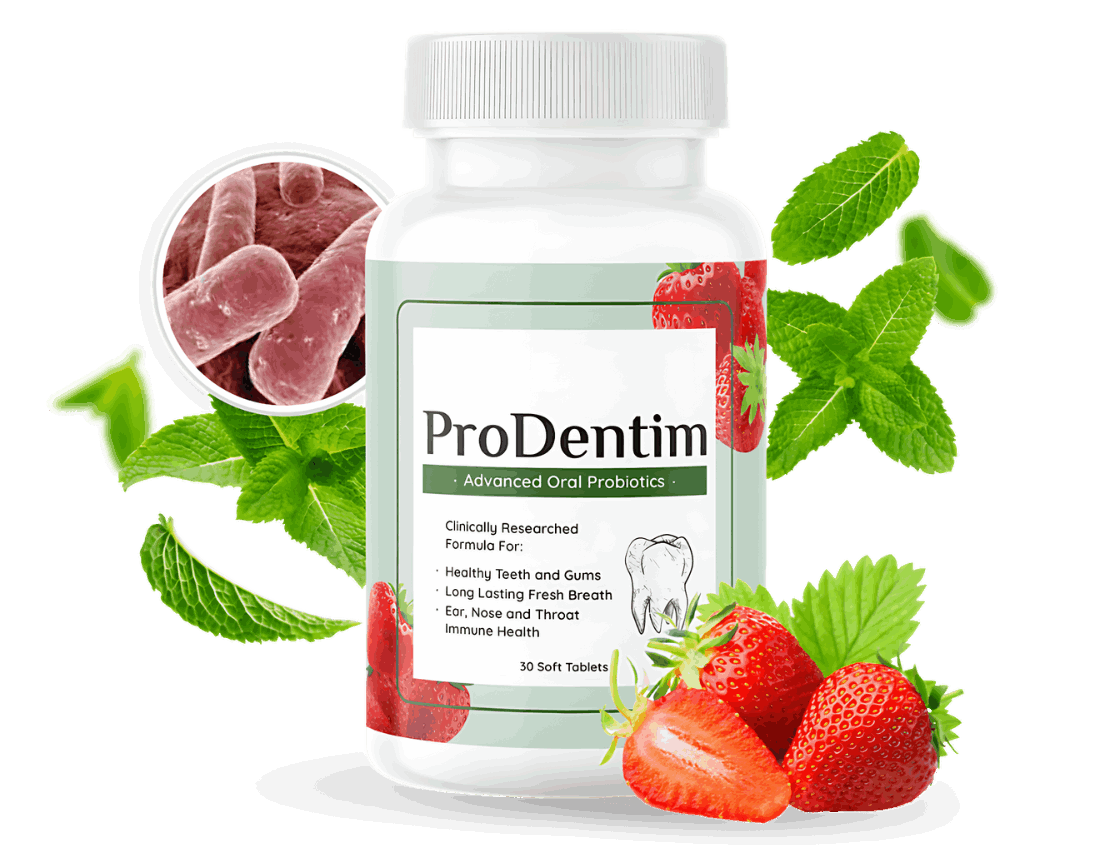
Tricalcium phosphate's inclusion in ProDentim is a meaningful, evidence-backed choice โ not a marketing filler. However, the specific dose in ProDentim is not disclosed, which limits our ability to assess whether the amount present is functionally effective versus merely token. This is noted as a transparency weakness in our overall ProDentim review.
Caโ(POโ)โ โ Tricalcium Phosphate
Understanding enamel remineralization requires understanding what happens to your teeth throughout the day โ a constant cycle that TCP actively supports.
Every time you eat, drink acidic beverages, or experience bacterial acid production from sugar metabolism, calcium and phosphate ions are drawn out of your enamel. This process โ demineralization โ slightly softens enamel and makes it more vulnerable to physical damage and bacterial invasion. It's completely normal and happens dozens of times daily.
Your saliva is supersaturated with calcium and phosphate ions, and under neutral pH conditions it deposits these minerals back into enamel surfaces โ a process called remineralization. Healthy individuals with good salivary flow can often remineralize minor demineralization naturally. However, this process is limited when acid exposure is frequent or saliva flow is reduced.
Tricalcium phosphate contributes supplemental calcium and phosphate ions to the oral environment, particularly at the tooth surface where it can dissolve and release its mineral content. This augments the natural salivary remineralization process โ particularly valuable for people with reduced salivary flow, frequent acid exposure, or early enamel erosion concerns.
With consistent mineral replenishment, enamel surfaces remain more resistant to acid attack, physical abrasion, and bacterial penetration. Over time, TCP-supported remineralization can reduce sensitivity from exposed dentin, improve surface smoothness (which affects how light reflects from teeth), and contribute to structural enamel integrity that becomes increasingly important as we age.
We reviewed the published literature on tricalcium phosphate and related calcium phosphate compounds in oral health, focusing on RCTs and systematic reviews over observational data.
A 2017 study published in the Journal of Dentistry compared TCP-containing remineralizing agents against placebo in participants with early enamel lesions. After 12 weeks, TCP groups showed measurable increases in enamel microhardness and reduced lesion depth. A 2020 systematic review of 14 calcium phosphate remineralization studies supported these findings, concluding that TCP provides meaningful remineralization support particularly for early carious lesions.
Research from the ADA and independent laboratories suggests TCP and fluoride have complementary mechanisms. Fluoride primarily forms fluorapatite crystals that resist acid dissolution, while TCP primarily replenishes the calcium and phosphate building blocks of natural hydroxyapatite. Combined fluoride and TCP formulations show superior remineralization compared to either agent alone in several comparative studies, suggesting both have distinct contributions.
A 2019 clinical study in the Journal of Clinical Dentistry evaluated TCP-containing toothpaste in 80 participants with dentinal hypersensitivity. After 8 weeks of use, the TCP group showed a 43% reduction in sensitivity scores compared to 18% in the control group. The proposed mechanism involves TCP's ability to occlude exposed dentinal tubules through mineral deposition โ the same pathway used by professional desensitizing agents.
Most clinical studies on TCP are conducted using dedicated TCP-based toothpastes or varnishes at relatively high concentrations โ not as a minor ingredient in a multi-component supplement. The specific concentration of TCP in ProDentim is undisclosed, making it impossible to directly apply these study findings. Results from high-concentration TCP products may not perfectly predict outcomes from supplement-level inclusions of the compound.
Several remineralizing compounds are used in dental products. Here's how TCP compares to the most common alternatives on key criteria.
| Criteria | Tricalcium Phosphate (TCP) | Nano-Hydroxyapatite | Fluoride | Calcium Carbonate |
|---|---|---|---|---|
| Primary Mechanism | Mineral replenishment | Direct enamel integration | Fluorapatite formation | Mild abrasive + alkali |
| Clinical Evidence Strength | Strong | Strong & growing | Very strong (decades) | Moderate |
| Safety Profile | Excellent โ GRAS | Excellent | Good (dose-dependent) | Excellent |
| Sensitivity Reduction | Yes โ documented | Yes โ strong evidence | Indirect only | Mild |
| Whitening Effect | Indirect (surface smoothness) | Indirect | None | Mild (abrasive) |
| Compatible with Probiotics | โ Yes | โ Yes | โ May affect some strains | โ Yes |
| Used in ProDentim | โ Yes | โ No | โ No | โ No |
Comparison based on published literature and formulation analysis. All comparisons assume appropriate dosing in dedicated dental applications.
ProDentim's primary mechanism is probiotic-driven microbiome rebalancing. TCP plays a supporting role โ addressing the structural side of oral health (enamel integrity, mineral density) while the probiotic strains address the microbial side (pathogen displacement, inflammation reduction). This complementary design is a thoughtful formulation choice.
Together, these layers address oral health from two directions simultaneously: microbiome ecology and mineral infrastructure. Neither TCP nor the probiotics alone would produce the same breadth of potential benefits as the combined approach.
TCP is a well-studied, safety-verified mineral compound with genuine evidence supporting enamel remineralization. Its inclusion in ProDentim is a meaningful formulation decision โ not a marketing filler. The primary limitation is that ProDentim does not disclose the specific milligram amount, making it impossible to confirm the dose matches clinically effective concentrations. The mechanism is sound; the transparency is not. Overall: a legitimate ingredient we'd like to see better disclosed.
ProDentim combines TCP with three clinically studied probiotic strains โ addressing both the microbial and mineral dimensions of oral health. 60-day money-back guarantee included.
Affiliate disclosure: this site earns a commission from links to the official ProDentim website. These statements have not been evaluated by the FDA. Not intended to diagnose, treat, cure, or prevent any disease. Consult a licensed dentist before beginning any supplement regimen.
ProDentim โ From $49/bottle ยท 60-Day Guarantee ยท Official Site Only
Order โ