🥶 Tooth sensitivity guide — read our full ProDentim analysis to see if it's right for your specific concern
Best For: Tooth Sensitivity — 2026 Guide

Sensitive Teeth? Here's What the Science Actually Recommends

Sharp pain from hot coffee, cold water, or sweet food isn't just annoying — it's a signal. We analyzed the root causes of dentin hypersensitivity and ranked evidence-backed solutions that genuinely work vs. those that just claim to.

Research-based · No paid reviews · Cross-referenced against PubMed clinical studies · Updated April 2026
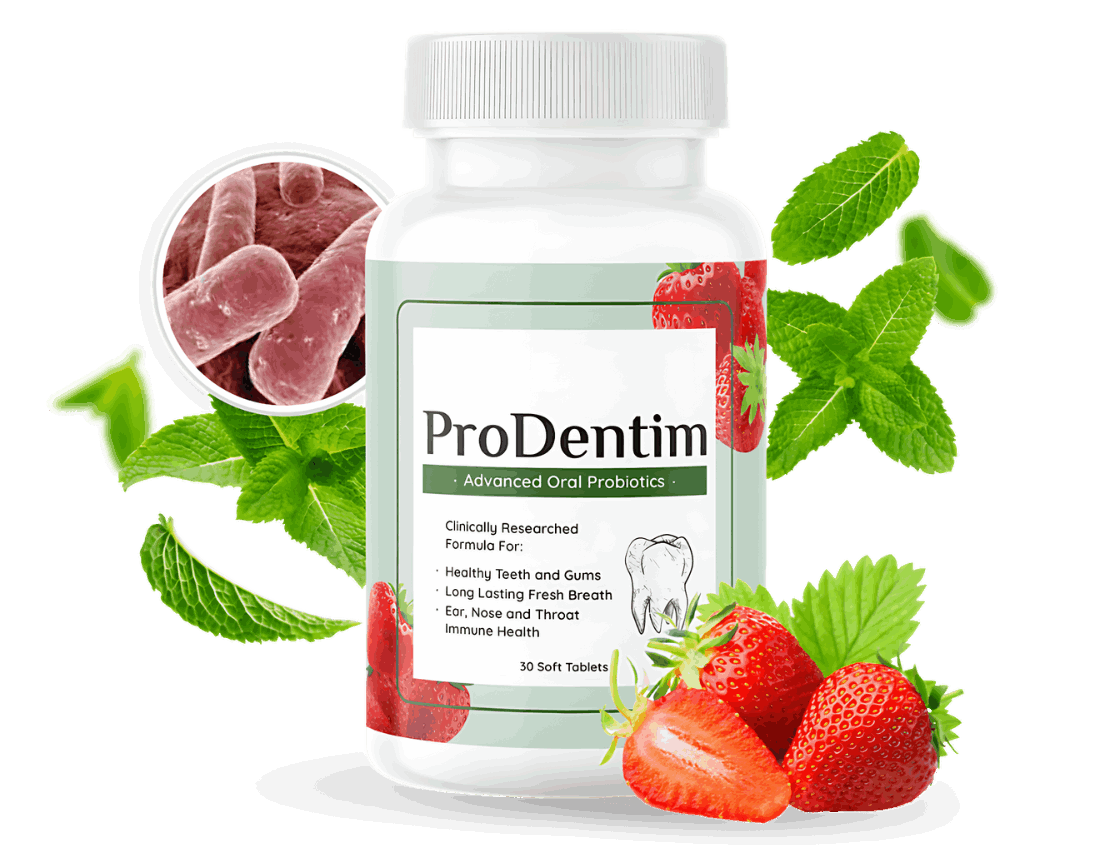
ProDentim for tooth sensitivity
ProDentim
Sensitivity Support Rating
Updated: April 2026
Remineralization Support
Enamel Protection
Microbiome (Acid Reduction)
Speed of Relief
Overall Evidence
Sensitivity Verdict: ProDentim supports enamel remineralization and reduces acid-producing bacteria — addressing root causes of sensitivity. Not a fast-acting numbing agent, but one of the best long-term approaches.
🛒 Check Official Price →
🔬 PubMed-Referenced Analysis
🥶 Dentin Hypersensitivity Focus
📊 6 Solutions Compared
⚖️ Evidence-Ranked Results
🛡️ FTC-Compliant
Root Cause Education

Why Do Your Teeth Hurt? The 5 Real Causes of Sensitivity

Before picking a solution, you need to understand what's actually causing your sensitivity — because different causes require fundamentally different treatments. Most people treat the symptom without understanding the source.

ProDentim for sensitive teeth enamel remineralization
🦷 Evidence-Based Sensitivity Analysis
🧱

Enamel Erosion (Most Common)

Acidic foods, drinks, acid reflux, and bacterial metabolism wear down enamel — exposing the sensitive dentin underneath. The most prevalent cause. Remineralizing agents and probiotic-based acid reduction are the most evidence-backed treatments.

🩸

Gum Recession

When gum tissue pulls back, it exposes the root surface — a zone with no enamel layer at all. Root surfaces are inherently more sensitive because dentin tubules are closer to the surface. Gum disease is the leading cause of recession in adults over 35.

🦷

Dentin Tubule Exposure

Dentin contains microscopic hollow tubes (tubules) that connect to the tooth nerve. When these tubules are open — due to enamel loss or gum recession — temperature and osmotic changes transmit pain signals directly to the nerve. Tubule-blocking treatments (potassium nitrate, nano-hydroxyapatite) target this directly.

🪥

Over-Brushing / Abrasion

Brushing too hard or using hard-bristled toothbrushes gradually abrades enamel, particularly at the gum line (cervical abrasion). This slowly exposes dentin and can worsen sensitivity even in people with otherwise healthy teeth. A commonly overlooked self-inflicted cause.

🦠

Oral Dysbiosis (Bacterial Imbalance)

Pathogenic bacteria — particularly Streptococcus mutans — produce acids as metabolic byproducts. When these bacteria dominate your oral microbiome, chronic low-level acid exposure gradually erodes enamel even between meals. Probiotic-based approaches like ProDentim address this root cause by displacing acid-producing strains.

The Science

How Tooth Sensitivity Works — The Mechanism Explained

Understanding the pathway from trigger to pain helps you identify which interventions target the actual problem — not just the sensation.

🌡️
01

Trigger Hits Exposed Dentin

Hot, cold, sweet, or acidic stimuli contact exposed dentin tubules — either because enamel has been worn away or because gum tissue has receded, exposing the root surface. The trigger doesn't need to touch the nerve directly — it only needs to reach the open tubule openings.

💧
02

Hydrodynamic Fluid Movement

This is the key mechanism (Brännström's Hydrodynamic Theory): the stimulus causes fluid inside the dentin tubules to shift rapidly. Cold causes inward flow; heat causes outward flow. This rapid fluid movement mechanically stimulates the A-delta nerve fibers at the pulp-dentin junction, triggering the sharp pain response.

03

Nerve Signal → Sharp Pain

The activated nerve fibers transmit an immediate pain signal to the brain. This is why sensitivity pain is characteristically sharp, short, and intense — different from the dull, throbbing ache of a dental abscess or decay. Treatments work either by blocking tubules to prevent fluid movement or by desensitizing the nerve to reduce its response threshold.

📚 Why This Matters for Treatment: Effective sensitivity treatments must either (a) physically block dentin tubules to prevent fluid movement, (b) reduce acid exposure to prevent further enamel erosion, or (c) support remineralization to rebuild enamel over exposed areas. Supplements that address oral microbiome balance work through mechanism (b) — reducing acid-producing bacteria to slow the enamel erosion that causes sensitivity in the first place. This is a slower but more root-cause-oriented approach than numbing agents.
Evidence-Ranked Solutions

6 Evidence-Backed Solutions for Tooth Sensitivity — Ranked

We ranked solutions by quality of clinical evidence, mechanism appropriateness, and user outcomes. These are not marketing rankings — they're based on published research.

🦷
Nano-Hydroxyapatite Toothpaste
Strongest Evidence · Tubule Occlusion + Remineralization
🥇 #1 Evidence

Nano-hydroxyapatite (nHAp) is the most evidence-backed non-prescription intervention for dentin hypersensitivity. Studies show it fills dentin tubules physically while simultaneously supporting enamel remineralization — a dual mechanism that addresses both immediate relief and long-term protection.

Multiple RCTs show significant sensitivity reduction at 4–8 weeks
Non-toxic, biocompatible — identical to natural tooth mineral
Comparable to fluoride in sensitivity studies without fluoride concerns
Requires consistent daily use — not a one-time treatment
Clinical Evidence Strength9.2/10
🦠
ProDentim — Oral Probiotic Approach
Root-Cause Strategy · Acid Reduction + Remineralization
🥈 Best Supplement

ProDentim addresses one of the most overlooked causes of sensitivity — the oral microbiome. By displacing acid-producing pathogenic bacteria, it reduces the chronic acid environment that slowly erodes enamel. Combined with Tricalcium Phosphate for remineralization support, it's the most comprehensive supplement-based approach.

L. reuteri shown to reduce pathogenic bacteria causing acid erosion
Tricalcium Phosphate supports enamel remineralization directly
Dissolving tablet format maximizes oral contact time
60-day money-back guarantee — risk-free trial
Takes 8–12 weeks for meaningful sensitivity improvement
Clinical Evidence Strength7.4/10
Try ProDentim →
⚗️
Potassium Nitrate Products
Nerve Desensitization · Fast-Acting

Potassium nitrate (5%) is the active ingredient in most sensitivity toothpastes (Sensodyne Pronamel, etc.). It works by diffusing through dentinal tubules and depolarizing nerve fibers, reducing their ability to transmit pain signals. It's faster-acting than remineralizing approaches but doesn't address the underlying enamel loss.

FDA-approved active ingredient for sensitivity relief
Noticeable reduction typically within 2–4 weeks
Addresses nerve response only — not enamel loss
Sensitivity returns when discontinued
Clinical Evidence Strength8.5/10
🧪
Fluoride Varnish (Professional)
Professional Application · Strong Evidence

Professional fluoride varnish (5% NaF) applied by a dentist provides strong clinical evidence for sensitivity reduction through tubule occlusion and enamel remineralization. It's one of the most studied interventions. The limitation is access — it requires dental visits and isn't available for home use at therapeutic concentrations.

Strongest single-application sensitivity evidence
Combined tubule blocking + remineralization mechanism
Requires dental office visit — not a home solution
Effects diminish over 6–8 weeks without reapplication
Clinical Evidence Strength9.0/10
🌿
Dietary Acid Reduction
Lifestyle Modification · Root-Cause Prevention

Acidic foods and drinks (citrus, soda, sports drinks, wine, coffee) are among the leading contributors to enamel erosion. Reducing their frequency — especially sipping acidic drinks slowly over long periods — meaningfully slows enamel loss. This is a root-cause intervention that complements any supplement or topical approach.

Zero cost, zero side effects
Addresses the most common cause of progressive enamel loss
Synergistic with remineralizing products
Doesn't repair existing damage — prevention only
Clinical Evidence Strength7.8/10
🪥
Xylitol Gum / Mints
Supporting Role · Saliva Flow + pH Neutralization

Xylitol — a natural sugar alcohol — inhibits Streptococcus mutans growth and stimulates saliva flow. Saliva is your mouth's natural remineralizing agent, containing calcium, phosphate, and bicarbonate to neutralize acids. Consistent xylitol gum use (3–5g/day in divided doses) has meaningful clinical support as an adjunctive strategy for sensitivity prevention.

Inhibits primary cavity- and acid-causing bacteria
Stimulates remineralizing saliva flow after meals
Widely accessible, very low cost
Supporting role only — not sufficient as standalone treatment
Clinical Evidence Strength6.8/10
ProDentim — Sensitivity Deep Dive

How ProDentim Specifically Addresses Tooth Sensitivity

ProDentim was not marketed exclusively as a sensitivity product — it's a comprehensive oral probiotic. But two of its ingredients have direct relevance to sensitivity management through distinct mechanisms.

Tricalcium Phosphate — Enamel Remineralization

Provides bioavailable calcium and phosphate ions that support the enamel remineralization process. After acid exposure depletes minerals from the enamel surface, tricalcium phosphate helps replenish this mineral layer. A systematic review in the Journal of Dentistry found calcium phosphate compounds significantly reduce dentin hypersensitivity over 4–8 weeks of consistent exposure.

Moderate-Strong Evidence

L. reuteri — Acid-Producing Bacteria Displacement

The strongest probiotic in ProDentim's formula. L. reuteri produces reuterin — a compound that selectively suppresses Streptococcus mutans and other acid-producing pathogens. By reducing the population of acid-generating bacteria, it lowers the chronic acid burden on enamel — slowing ongoing erosion that causes or worsens sensitivity. This is a long-term, root-cause mechanism rather than a symptomatic fix.

Strong Evidence (Multiple RCTs)

L. Paracasei — Sinus & Inflammation Support

Indirect relevance to sensitivity — L. Paracasei supports healthy immune response in oral mucosal tissue, potentially reducing gum inflammation that contributes to recession and root exposure. The evidence for direct sensitivity relief via this strain is limited, but it supports the broader oral health environment.

Limited Direct Evidence
🛒 Try ProDentim Risk-Free → Full Ingredient Breakdown

60-day money-back guarantee · Ships from USA · Official site only

ProDentim official product for tooth sensitivity
7.4
Sensitivity Score
ProDentim
Out of 10 based on
evidence quality + user outcomes
Enamel Remineralization7/10
Acid Reduction (Probiotic)8/10
Speed of Sensitivity Relief5/10
Long-Term Protection8.5/10
Best For Sensitivity When: Your sensitivity is driven by acid erosion or bacterial microbiome imbalance — not acute gum recession. Pair with nano-hydroxyapatite toothpaste for comprehensive coverage of both tubule-blocking and microbiome-level root-cause treatment.
Order ProDentim Official →
Side-by-Side Comparison

Tooth Sensitivity Solutions Compared — Honest Assessment

We evaluated six major sensitivity approaches across 8 key criteria. This comparison is based on published clinical evidence and mechanism analysis — not sponsored rankings.

Criteria nHAp Toothpaste ProDentim SUPPLEMENT Potassium Nitrate Fluoride Varnish Xylitol Gum
Primary MechanismTubule occlusion + remineralizationMicrobiome + remineralizationNerve desensitizationTubule occlusion + fluorideBacteria inhibition + saliva
Root Cause or Symptom?Root CauseRoot CauseSymptom onlyBothRoot Cause
Speed of Relief4–8 weeks8–12 weeks2–4 weeks1–2 weeks4–8 weeks
Evidence QualityMultiple RCTsGood (indirect)Multiple RCTsStrong (professional)Moderate
At-Home Use✓ Yes✓ Yes✓ Yes✗ Dental office only✓ Yes
Addresses Oral Microbiome✗ No✓ Yes — core mechanism✗ No⚠ Partial (fluoride)✓ Partial
Monthly Cost$8–$25$49–$69$5–$15$35–$75 (visit)$8–$18
Money-Back Guarantee✗ Standard return only✓ 60-day full refund✗ Standard return only✗ No✗ No
Our Evidence Rating9.2/107.4/108.5/109.0/106.8/10
📌 Our Take: For fastest relief from acute sensitivity, potassium nitrate toothpaste is the most practical first step. For comprehensive long-term protection, combining nano-hydroxyapatite toothpaste with ProDentim addresses both tubule protection and root-cause microbiome balance — a strategy no single product achieves alone. See full comparison methodology →
Practical Guidance

What To Do & Avoid for Sensitive Teeth

Many common habits unknowingly worsen sensitivity. Equally, some highly marketed "remedies" have no meaningful clinical backing. Here's what evidence actually recommends.

✅ Do These Things

🪥Switch to a soft-bristled toothbrush immediately. Medium and hard bristles contribute to cervical abrasion and gum recession — two direct causes of sensitivity that compound over years of use.
Wait 30–60 minutes after consuming acidic foods or drinks before brushing. Acid softens enamel temporarily; brushing during this window removes softened mineral structure, worsening erosion.
🦷Use nano-hydroxyapatite or potassium nitrate toothpaste consistently — not just when pain flares. These require cumulative use to build protective effects in dentin tubules.
🥛Stay well-hydrated and maintain adequate salivary flow. Saliva is your natural buffer against acid — it contains calcium, phosphate, and bicarbonate that neutralize acids and support remineralization.
🦠Consider an oral probiotic like ProDentim to address microbiome-level acid production — especially if you experience chronic sensitivity despite good oral hygiene practices.
🩺See a dentist if sensitivity is severe, worsening, or associated with visible cracks, gum recession, or tooth pain at rest — these may indicate conditions requiring professional treatment.

⛔ Avoid These Things

🍋Rubbing lemon, apple cider vinegar, or citrus directly on teeth. Despite popular wellness claims, direct acid application accelerates enamel erosion — the primary cause of sensitivity — dramatically.
🧪Overusing whitening strips or high-concentration whitening agents. Many sensitivity cases are triggered or worsened by aggressive whitening treatments that temporarily open dentin tubules.
🚿Using baking soda as a daily toothpaste substitute. Although alkaline, baking soda is abrasive (RDA score ~70) and can cause mechanical enamel wear with frequent use.
🧊Chewing ice or biting hard objects. Thermal stress and mechanical impact can propagate microcracks in enamel, opening pathways for sensitivity — particularly in teeth with existing erosion or fillings.
🥤Sipping acidic drinks slowly over long periods. This prolongs acid contact time with enamel dramatically. Drink acidic beverages quickly through a straw, then rinse with water.
💊Expecting fast results from remineralizing or probiotic approaches. Enamel remineralization and microbiome rebalancing are gradual processes — 6–12 weeks minimum. Abandoning treatment early is the most common reason for failure.
What to Expect

Realistic Timeline: When Will You See Results?

Sensitivity improvement timelines vary significantly by treatment type and cause severity. Setting realistic expectations prevents premature abandonment of approaches that need time to work.

Week 1–2
Initial Habits & Products Begin
Switch to soft-bristled brush, begin sensitivity toothpaste (nHAp or potassium nitrate), start ProDentim if chosen. Reduce acidic foods. No significant sensitivity relief expected at this stage — this is the foundation-setting period.
Week 3–4
First Signs of Relief (Fast-Acting Products)
Users of potassium nitrate toothpaste often report the first reduction in nerve response around weeks 2–4. Some nano-hydroxyapatite users also report early improvements. ProDentim is still in the early microbiome rebalancing phase — no sensitivity change expected yet.
Week 5–8
Meaningful Sensitivity Reduction
Most users on combined approaches (sensitivity toothpaste + ProDentim + diet changes) report meaningful improvement at this stage. Remineralization products begin producing measurable enamel support. ProDentim's probiotic colonization is established — acid-producing bacteria populations are declining.
Week 9–16
Significant Long-Term Improvement
Those who stay consistent through the 8–12 week mark typically experience 50–80% reduction in sensitivity frequency and intensity. Ongoing use maintains the protective benefits and continues the remineralization and microbiome-balancing processes. Dentist check-in recommended to assess progress.

Who Gets Results Fastest?

✓ Best Candidates for Fast Results:
Early-stage enamel erosion · Sensitivity from acidic diet · Sensitivity without major gum recession · People with oral dysbiosis as underlying driver
⚠ Slower/Partial Results Likely:
Significant gum recession · Cracked teeth · Severe enamel loss from long-term erosion · Sensitivity from dental procedures
⛔ See a Dentist First:
Pain at rest (not triggered by stimuli) · Visible crack lines · Sensitivity in a recently filled tooth · Pain that persists more than 30 seconds after removing the trigger
💡 Our Recommended Stack:
(1) Nano-hydroxyapatite toothpaste — daily
(2) ProDentim — daily (morning, dissolve slowly)
(3) Xylitol gum — after meals
(4) Reduce acidic drink frequency
This combination addresses all major sensitivity pathways simultaneously.
Frequently Asked Questions

Tooth Sensitivity FAQs — Answered Honestly

The most common questions about tooth sensitivity, its causes, and which products or approaches actually help — answered without marketing bias.

ProDentim contains two ingredients with direct relevance to sensitivity: Tricalcium Phosphate (supports enamel remineralization) and L. reuteri (reduces acid-producing bacteria that erode enamel). However, it is not a fast-acting sensitivity product — it works through gradual microbiome rebalancing over 8–12 weeks. If you're looking for rapid sensitivity relief, combine ProDentim with a potassium nitrate or nano-hydroxyapatite toothpaste for complementary fast and slow mechanisms. ProDentim is best framed as a root-cause intervention for sensitivity driven by oral dysbiosis and enamel erosion, not a numbing agent. Try ProDentim risk-free with 60-day guarantee →
For fastest symptom relief, potassium nitrate-containing toothpastes (like Sensodyne Pronamel) have the best speed profile — most users notice some reduction in nerve sensitivity within 2–4 weeks. Professional fluoride varnish applied by a dentist can produce relief even faster (1–2 weeks) but requires a dental visit. For at-home supplemental use, nano-hydroxyapatite toothpaste combines reasonable speed (4–6 weeks) with actual remineralization benefit, making it the strongest fast-track OTC option. None of these approaches are overnight solutions — even fast-acting treatments require consistent use for weeks before meaningful improvement.
It depends on the cause. Sensitivity from mild-to-moderate enamel erosion can be significantly reduced or functionally resolved through consistent remineralization support, habit changes, and microbiome management. Sensitivity from minor gum recession can be managed effectively with the right products. However, sensitivity from severe gum recession, exposed roots, cracked teeth, or structural damage may require professional intervention (bonding, gum grafting, or root canal in extreme cases) and may not fully resolve with supplements or OTC products alone. If sensitivity is worsening despite 2+ months of consistent management, a dental consultation is warranted to rule out structural causes.
Sensitivity toothpaste (potassium nitrate) works by desensitizing the nerve response — it's a symptomatic treatment that doesn't address enamel loss or microbiome imbalance. For people whose sensitivity is primarily driven by acid-producing bacteria or chronic dietary acid exposure, addressing the microbiome via an oral probiotic like ProDentim provides a root-cause layer that toothpaste doesn't offer. The evidence-based recommendation is to use both: sensitivity toothpaste for symptomatic relief and an oral probiotic or remineralizing supplement to address underlying causes. This layered approach has better long-term outcomes than either alone.
Based on the published timeline for oral probiotic colonization and L. reuteri's documented mechanism, a fair evaluation period for ProDentim's sensitivity-related benefits is 8–10 weeks of consistent daily use. The 60-day money-back guarantee from ProDentim's manufacturer covers this full evaluation window. Users who report sensitivity improvements with ProDentim almost universally began noticing changes at 6–10 weeks — those who stopped at 2–4 weeks are giving up before the probiotic rebalancing process has time to establish.
Yes — and this is actually our recommended approach. ProDentim is a dissolving oral tablet taken in the morning after brushing. Sensitivity toothpaste is used during brushing. There is no documented interaction between oral probiotic strains and potassium nitrate or nano-hydroxyapatite in toothpaste formulas. The two approaches work through entirely different mechanisms and are complementary: sensitivity toothpaste provides faster symptomatic relief while ProDentim works on the underlying microbiome causes. Using both simultaneously offers the most comprehensive coverage.
Clove oil contains eugenol, which has local anesthetic properties — it can temporarily reduce sensitivity discomfort when applied directly to the tooth surface. However, it doesn't address underlying causes and its effects are short-lived (minutes to hours). Turmeric has anti-inflammatory properties relevant to gum health but has no documented tubule-blocking or remineralizing effects for sensitivity. Oil pulling has minimal clinical evidence for sensitivity specifically. These home remedies may provide temporary comfort but should not be primary sensitivity management strategies. Evidence-backed approaches (nano-hydroxyapatite, potassium nitrate, oral probiotics) have substantially better clinical support for sustained improvement.
View All FAQs →

Ready to Address Your Sensitivity at the Root?

ProDentim's probiotic and remineralizing approach works differently from numbing agents — it targets the microbiome imbalance driving ongoing enamel erosion. 60-day guarantee means there's no risk in finding out if it works for you.

These statements have not been evaluated by the Food and Drug Administration. ProDentim is not intended to diagnose, treat, cure, or prevent any disease. Individual results vary. Always consult a licensed dentist or physician before beginning any supplement program. This site earns affiliate commissions from links to the official website — fully disclosed on every page.